IGBT Module Failure Report: Safe Test Metrics & Risk Map
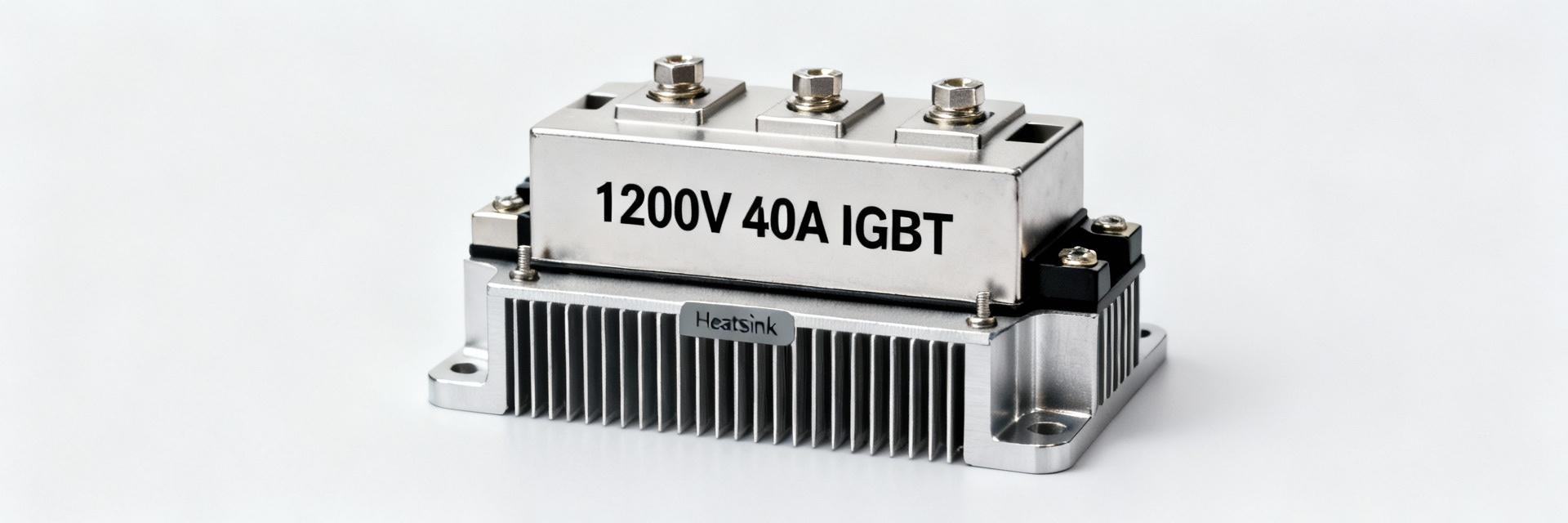
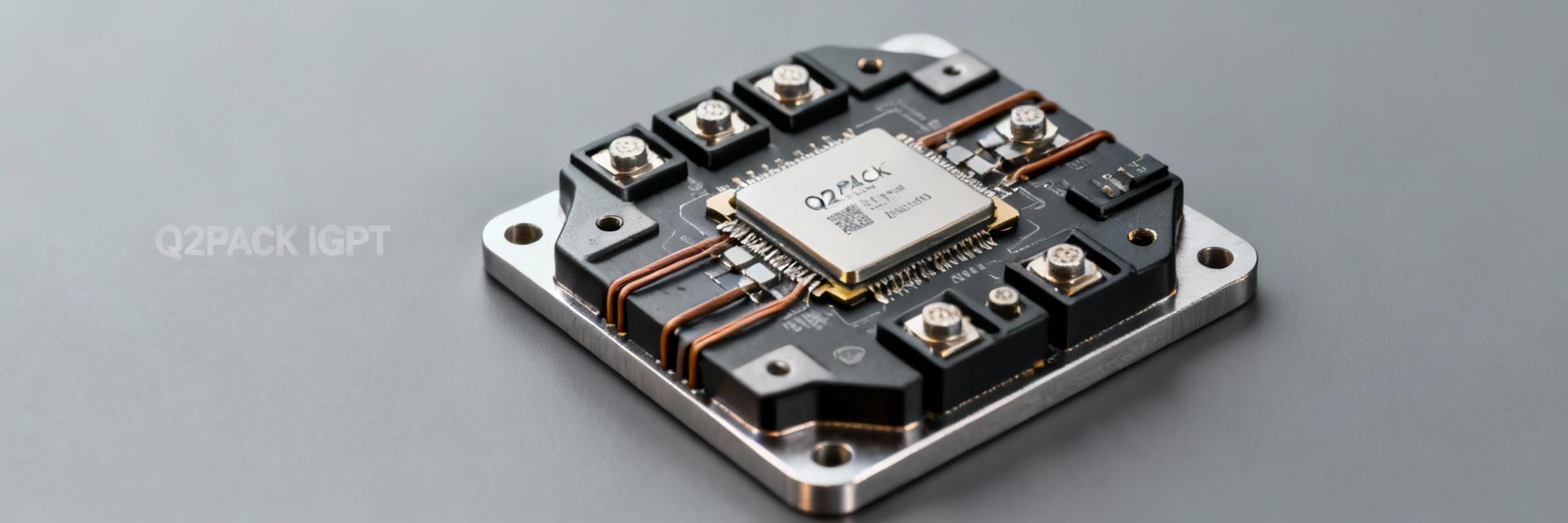
Recent field audits and lab tests indicate that IGBT module failures remain a leading cause of inverter and motor-drive downtime, driven primarily by thermal stress, short-circuit events, and gate-driver faults. This report frames practical diagnostics and a prioritized response, naming critical metrics and prescribing safe test procedures for modules such as SNXH225B95H3Q2F2PG-N1.
Background — Failure Modes & Why IGBT Module Reliability Matters
Common failure modes to document
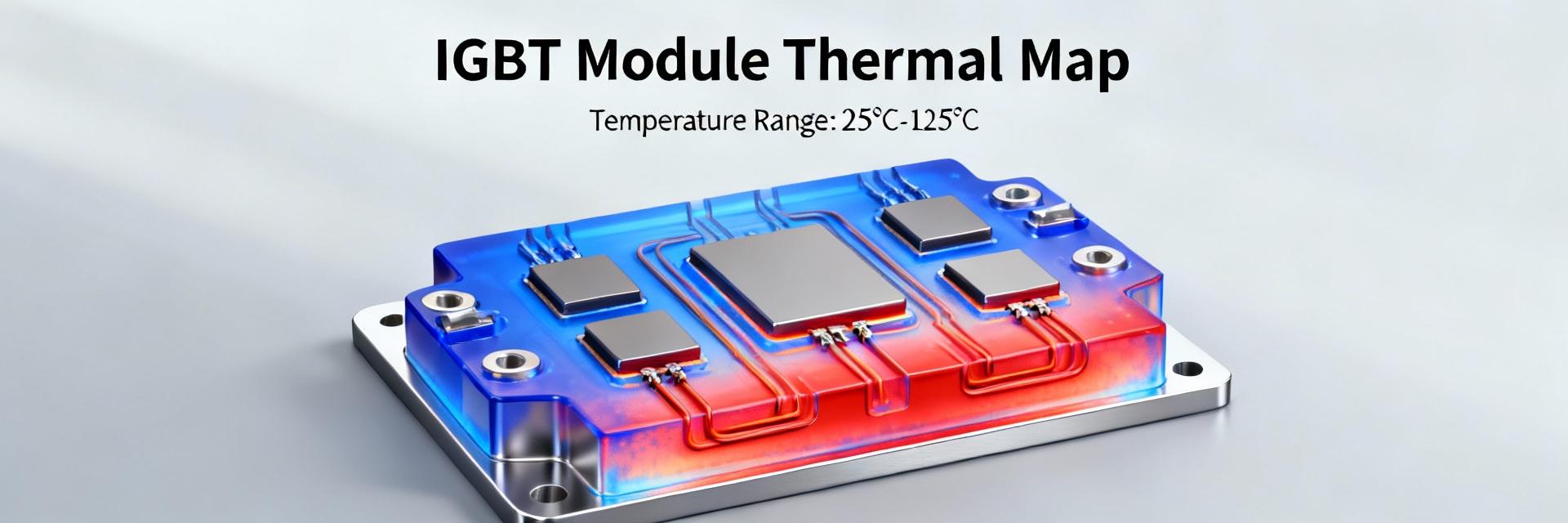
The dominant failure modes seen in high‑power IGBT modules include thermal overstress, bond-wire lift, solder fatigue, short-circuit avalanche, gate-oxide failure, and collector-emitter leakage. Field case logs correlate rising junction-to-case ΔT and solder-interface cracking with later VCE(sat) drift and intermittent opens.
- Thermal overstress Substrate warpage measured via RthJC shifts and thermal mapping.
- Bond-wire lift Mechanical fatigue visible as intermittent opens and VCE(sat) variance.
- Solder fatigue Gradual VCE(sat) increase correlated with thermal cycling.
- Short-circuit avalanche Catastrophic energy deposition; captured as high di/dt spikes.
- Gate-oxide failure Gate leakage or threshold drift evident in DC gate tests.
- Collector-emitter leakage Elevated ICEO at temperature via leakage sweeps.
System-level impact & safety implications
Module failures propagate to system downtime and collateral hardware damage. Aggregated MTBF estimates show single-module failures can trigger replacement costs that exceed the module price by orders of magnitude.
Data Analysis — Field Test Metrics & Failure Trends
Effective diagnostics rely on technical test metrics. Trending these across population samples reveals early degradation trends.
Failure Mode KPI Visualization (Impact Weight)
Failure trends, visualization & KPIs
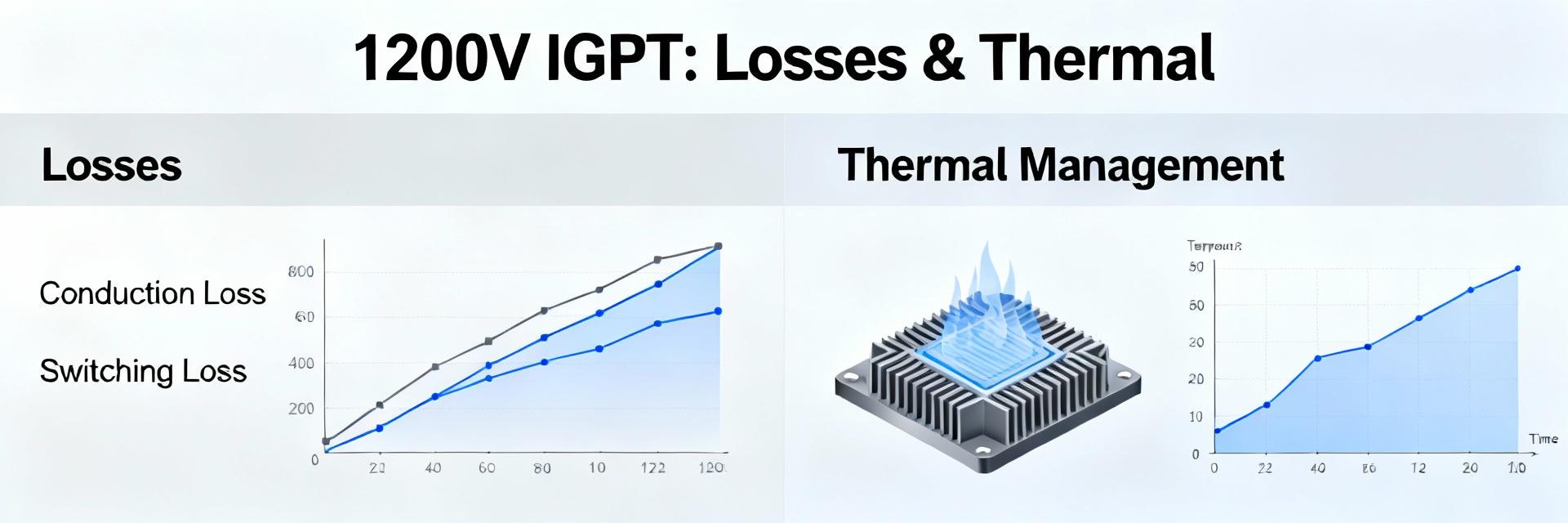
Visualization accelerates root-cause identification. Key KPIs include failure rate per 10,000 operating hours, median time-to-failure (MTTF), and short-circuit duration histograms. Ensure data sources include field logs and thermal-camera records for validation.
Method Guide — Safe Testing Procedures & Measurement Protocols
Pre-test safety & isolation checklist
Safety reduces test risk and preserves evidence integrity. Implement a mandatory written checklist:
- • Lockout/tagout & full discharge procedures.
- • Secure clamp-down of bus bars.
- • Required PPE (Face shield, insulated gloves).
- • Verified scope-probe grounding & instrument calibration.
Standardized test protocols
Establish pass/fail criteria by combining device datasheet limits and baseline fleet characterization:
- • Static tests: Diode checks, leakage sweeps.
- • Dynamic tests: Turn-on/turn-off under load.
- • Controlled short-circuit tests with measured tSC.
- • Logged waveforms and timestamped thermal images.
Case Study — Building a Risk Map: From Failure Mode to Action
A simple scoring method translates data into prioritized actions. Failure modes are scored by frequency (likelihood) and system impact (severity).
| Failure Mode | Likelihood (1-5) | Severity (1-5) | Recommended Action |
|---|---|---|---|
| Solder fatigue | 3 | 3 | Monitor RthJC, schedule interface upgrade |
| Short‑circuit avalanche | 2 | 5 | Implement fast protection, limit tSC |
| Bond-wire lift | 4 | 4 | Redesign bonding, add current sensing |
Likelihood Scoring: 1=Rare, 5=Frequent | Severity Scoring: 1=Minor, 5=Catastrophic
Actionable Recommendations — Maintenance Playbook & Design Mitigations
Routine monitoring
Define rolling thresholds (e.g., alarm at 10% deviation). Implement condition-based maintenance tied to trend velocity rather than fixed time intervals.
Design mitigations
Apply derating strategies, improved heatsinking, and gate-driver desaturation detection to reduce in-service failures and optimize efficiency trade-offs.
Summary
The essential takeaway is to define and trend critical test metrics (VCE(sat), leakage, RthJC, tSC), follow safe, repeatable test protocols, and use a likelihood × severity risk map to prioritize mitigations. Engineers assessing high-performance modules should combine baseline characterization with continuous monitoring to justify design changes.
Key Takeaways
- ✓ Monitor core metrics continuously to detect early degradation.
- ✓ Adopt standardized, safety-first test protocols with traceable logging.
- ✓ Use a risk map to prioritize fixes: high-impact risks addressed first.