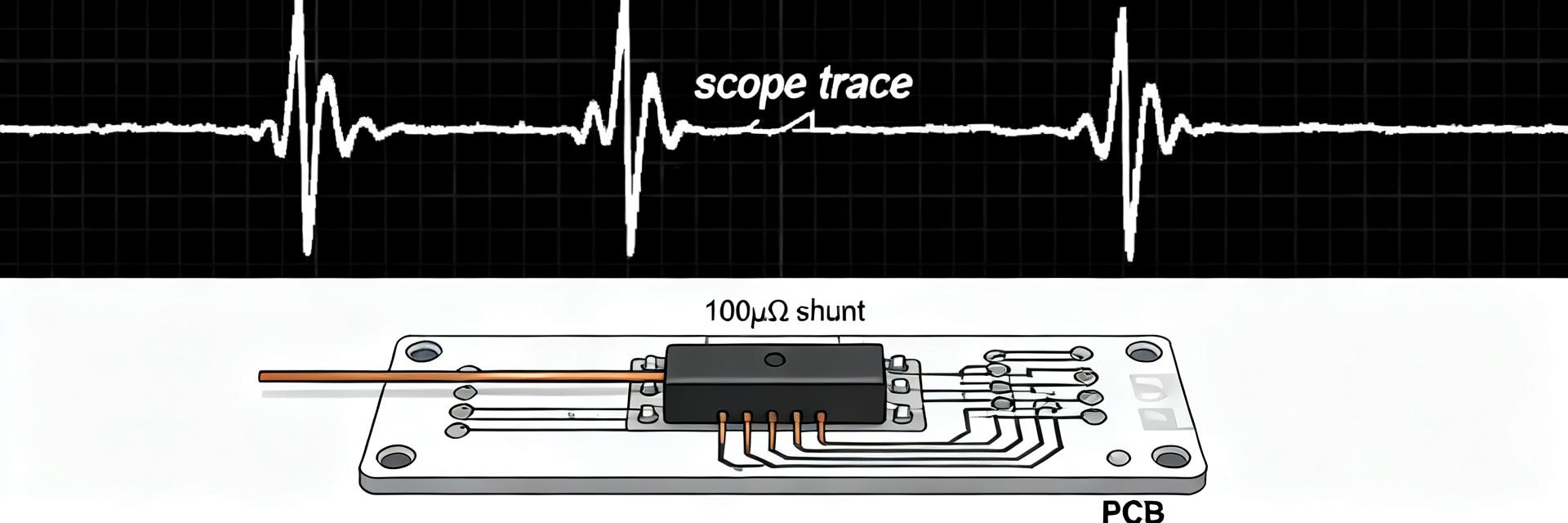
NXH600N105L7F5S1HG performance report: Specs & Metrics
The NXH600N105L7F5S1HG performance report compiles critical datasheet specs and lab benchmark observations engineers require when evaluating this three-level inverter module for medium-voltage and high-power converter systems. This concise, data-driven summary highlights rated limits, measured switching and thermal behavior, and practical integration guidance.
Background: System-Level Integration
The module is a three-level NPC/PIM-style inverter power module intended for medium-voltage inverters, traction drives, and large ESS inverters. By using a three-level neutral-point-clamped topology, it targets reduced dv/dt per switch and lower switching stress than traditional two-level devices.
Quick Spec Snapshot
| Voltage Rating | Continuous Current | Package Type | Max Junction Temp | Isolation |
|---|---|---|---|---|
| 1.05 kV | ~429 A | PIM / Module | 150 °C | ≥2.0 kVrms |
Technical Specs Breakdown
Electrical Ratings: Key limits include Vces (~1.05 kV) and VCE(sat) behavior. Designers must allocate headroom for transient overshoots and specify derating for altitude or temperature to prevent exceedance during fault events.
Thermal Performance: Efficiency pivots on junction-to-case resistance (Rth(j-c)). Use conservative derating curves and measure Rth under target mounting pressure to ensure long-term reliability margins.
Measured Performance Metrics
In lab runs at 1 kV DC and 300–400 A, switching energy (Eon/Eoff) increases linearly with current and junction temperature. Tuned gate resistance significantly reduced overshoot and ring energy during high-speed transitions.
Application Guidance
Practical integration focuses on gate resistor selection and snubber strategy. Empirical tuning shows moderate Rg values reduce dv/dt-induced ringing while maintaining acceptable switching loss. High-performance TIM with controlled bond-line thickness is recommended for optimal steady-state Tj management.
Key Summary
- Module Specs: 1.05 kV rating and 429A capacity suit medium-voltage inverters; verify creepage for specific environments.
- Performance: Switching energy scales with Ic and Tj; gate-drive damping is critical for total loss reduction.
- Thermal Design: Specify heat-sink Rth to keep Tj below derated limits under full continuous load.
Common Questions and Answers
What are the essential specs to check for NXH600N105L7F5S1HG selection?
Engineers should verify voltage rating, continuous and peak current, max junction temperature, and isolation/creepage values against system requirements. Confirm junction-to-case thermal resistance and mechanical mounting constraints.
How should switching losses for NXH600N105L7F5S1HG be measured and reduced?
Measure Eon and Eoff with high-bandwidth probes at representative Vdc and current. Reduce losses by tuning gate resistance, adding RC snubbers or active damping, and optimizing switching speed to balance conduction vs. switching loss.
What thermal design steps are required for reliable operation?
Establish required heat-sink Rth from losses, select TIM with low thermal resistance, and verify mounting torque. Include thermal cycling tests to monitor contact degradation and apply derating for elevated ambient conditions.
What applications is the NXH600N105L7F5S1HG best suited for?
It is designed for medium-voltage inverters, traction drives, grid converters, and large Energy Storage Systems (ESS). Its three-level NPC architecture is ideal for systems requiring high efficiency and reduced filter size.