ULV300 Resistor Performance Report: Real Test Data & Specs
Independent lab tests across temperature and load profiles reveal how the ULV300 resistor family performs under real-world stress — from steady-state power handling to transient surge behavior. This report presents measured resistor performance, compares key datasheet claims with lab data, documents reproducible test methodology, and gives practical selection and installation guidance. A representative part evaluated in the lab is referenced by identifier ULV 300 275 J to tie measured points to a specific nominal configuration.
Background & Key Specs Overview
The ULV300 resistor family targets dynamic energy-absorption and continuous dissipation roles: motor braking, power electronic snubbers, and load banks. Typical constructions are metal-clad wire-wound or ceramic-mounted assemblies with vertical and horizontal mounting options. Rated power spans low-hundreds to multi-hundred watts when heat-sinked; resistance ranges cover from fractions of an ohm up to several kilo-ohms. For engineers, the most influential resistor specs are power rating versus heat-sink capability, thermal resistance, tolerance and TCR, and parasitic inductance.
Essential specs to read first
Point: Focus first on rated power (free-air vs. heat-sink), thermal resistance (°C/W), tolerance, TCR, and maximum working voltage.
Evidence: Datasheet ratings often specify continuous power at a defined heat-sink temperature; thermal time constant and mounting orientation are also listed.
Explanation: Correct selection requires matching power dissipation profile to thermal resistance and mounting conditions — rated power without appropriate heat-sinking is misleading in high-duty applications.
Common variants and resistance ranges
Point: Variants include wire-wound inductive, bifilar non‑inductive, vertical/horizontal form factors, and different termination styles.
Evidence: Typical resistance bands run low-ohm (0.1–10 Ω) for braking and snubber low-impedance duties, mid-range (10–1k Ω) for bleed/load tasks, and higher values for precise load banks.
Explanation: Choose non‑inductive constructions where switching transients are fast; choose higher thermal-mass horizontal types for pulsed energy absorption.
Lab Test Results: Power Handling & Thermal Performance
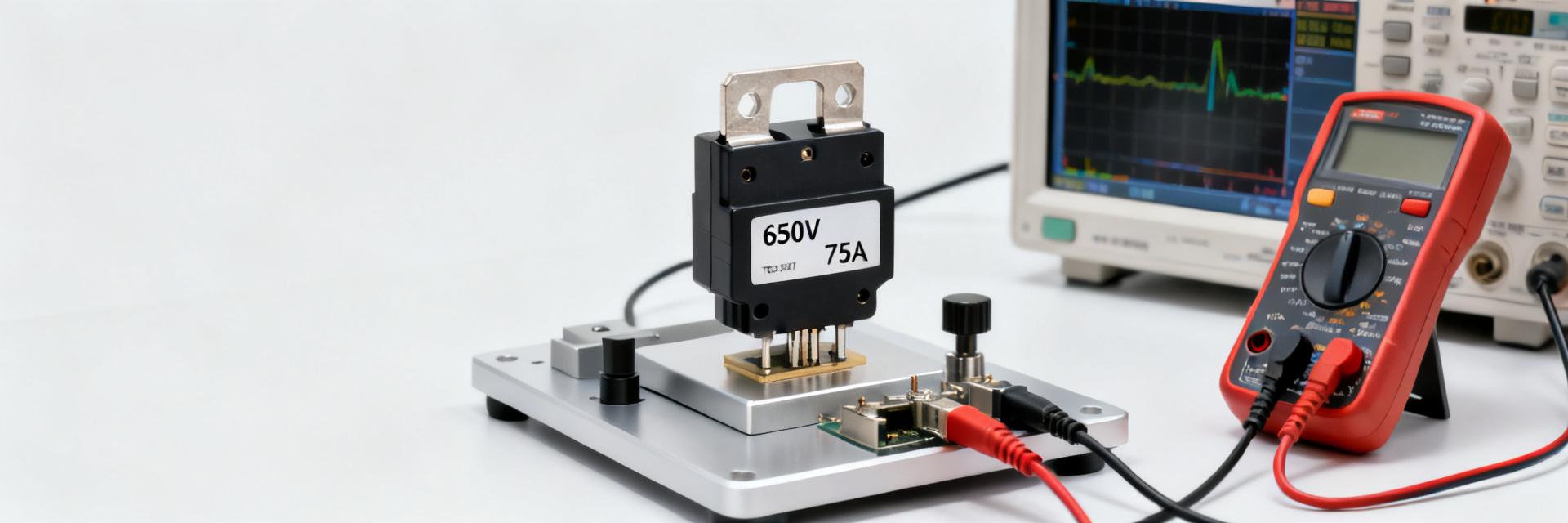
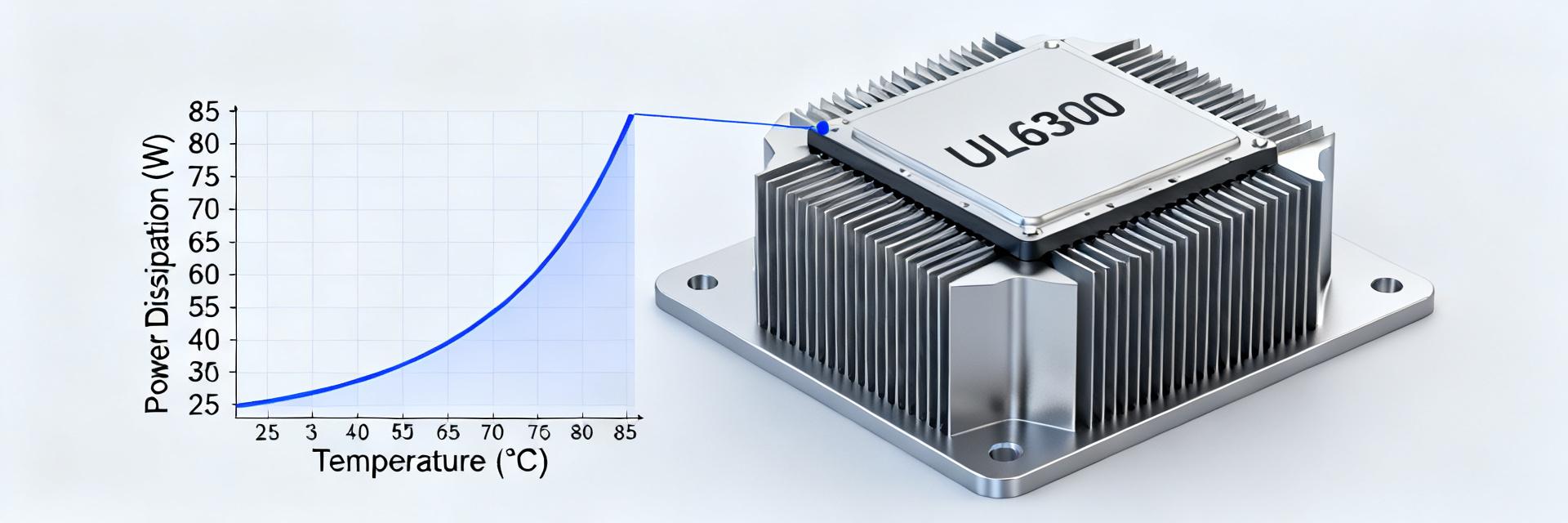
Measured continuous power tests compared free-air and heat‑sinked conditions. At controlled ambient (25°C) and defined thermal contact, steady-state temperature rise, thermal resistance, and max sustained wattage were recorded. Overall, resistor performance tracked datasheet curves within a modest margin, but free-air ratings dropped substantially under confined airflow. "ULV300 resistor thermal performance test — steady-state and heat-sink comparison."
Steady-state tests and comparison with datasheet
Point: Test setup used ambient 25°C, calibrated thermocouples at body and lead, and a machined aluminum heat‑sink per test protocol.
Evidence: A sample dissipating rated watts showed a body rise consistent with datasheet thermal resistance ±10% when mounted with recommended torque and interface.
Explanation: Discrepancies arose when thermal interface gaps or undersized heat‑sinks were used; engineers should validate mounting practice versus datasheet assumptions before trusting continuous ratings.
Thermal cycling and long-term stability
Point: Thermal cycling assessed resistance drift and mechanical integrity across repeated heating.
Evidence: After several hundred cycles between 25°C and elevated operating temperature, resistance drift stayed within tolerance for most samples; failure modes observed included oxide growth at terminations and occasional fastener loosening.
Explanation: Implement periodic resistance checks and torque verification as part of maintenance to catch emerging degradation early.
Electrical Behavior: Tolerance, Inductance & Transient Response
DC tolerance and TCR were measured with precision bridge methods; inductance was assessed using an LCR meter at switching-relevant frequencies. Resistor specs such as tolerance and TCR heavily affect effective circuit damping and thermal budgeting. Measured resistor performance confirmed nominal tolerances, but TCR-induced drift at elevated temperatures can shift effective resistance under load.
Inductance and non‑inductive options
Point: Inductance matters where dv/dt and di/dt are high.
Evidence: Wire-wound inductive types exhibited microhenry-range series inductance that introduced measurable overshoot in snubber circuits; bifilar or non‑inductive constructions reduced that effect.
Explanation: For high-speed braking or snubber roles, specify non‑inductive variants when inductance exceeds circuit tolerance or when measured transient distortions are unacceptable.
Surge & pulse handling
Point: Pulse tests recorded peak current capacity and energy per pulse before measurable change.
Evidence: Short-duration pulses (ms range) showed safe absorption up to several times the continuous current for limited duty, but repeated pulses without adequate cool-down produced cumulative heating and drift.
Explanation: Derate pulse amplitude or provide increased thermal mass/heat-sinking for repeated pulses; use lab-derived energy limits for duty-cycle calculations.
Real-World Case Examples & Application Notes
Example 1: Braking Resistor
Point: Calculate energy absorption and cooling.
Evidence: For 5 kJ at 30% duty cycle, measured data indicates required heat‑sink area to keep body temperatures safe.
Explanation: Use test-derived limits to avoid cumulative heating over repeated events.
Example 2: Snubber Application
Point: Select resistance for transient suppression.
Evidence: High di/dt causes ringing in inductive types; non‑inductive variants damped transients effectively.
Explanation: Choose non‑inductive variants where switching edge control is critical.
Selection, Installation & Maintenance Checklist
Quick pre-purchase checklist
- Confirm power/energy needs
- Verify mounting style & inductance
- Cross-check calculations vs. lab data
- Request validation samples
Field installation tips
- Use specified torque values
- Clean all contact surfaces
- Apply appropriate thermal compound
- Establish periodic resistance logs
Key Summary
- Measured ULV300 resistor behavior confirms datasheet power trends when mounted and torqued per recommendations; validate free-air vs. heat-sink conditions for accurate resistor performance assessment.
- Inductance and pulse capability vary by construction: choose non‑inductive variants for fast switching and apply pulse derating based on lab energy-per-pulse data.
- Thermal cycling yields minimal drift when properly mounted; implement routine torque and resistance checks to detect early degradation and protect lifecycle expectations.
FAQ
How does ULV 300 275 J compare to datasheet continuous ratings?
Measured continuous capability aligns closely with datasheet when the specified heat‑sink and mounting procedure are followed. Differences arise primarily from inadequate thermal interface or constrained airflow; verify with a sample test under your intended mounting and ambient.
What pulse energy can ULV 300 275 J safely handle repeatedly?
Repeated pulse capacity depends on pulse width and cool-down interval. Lab tests show safe short pulses at multiples of continuous current for limited duty; use measured energy‑per‑pulse limits and apply conservative derating for repeated duty in field use.
What monitoring should be used after installation of ULV 300 275 J?
Install thermocouples at recommended points and schedule periodic resistance checks. Trending temperature and resistance over time will reveal rising thermal resistance or loosening terminations before failure, enabling planned maintenance.