FGH4L40T120RWD IGBT Specs Report — 1200V 40A Insight
Product Overview & Package Background
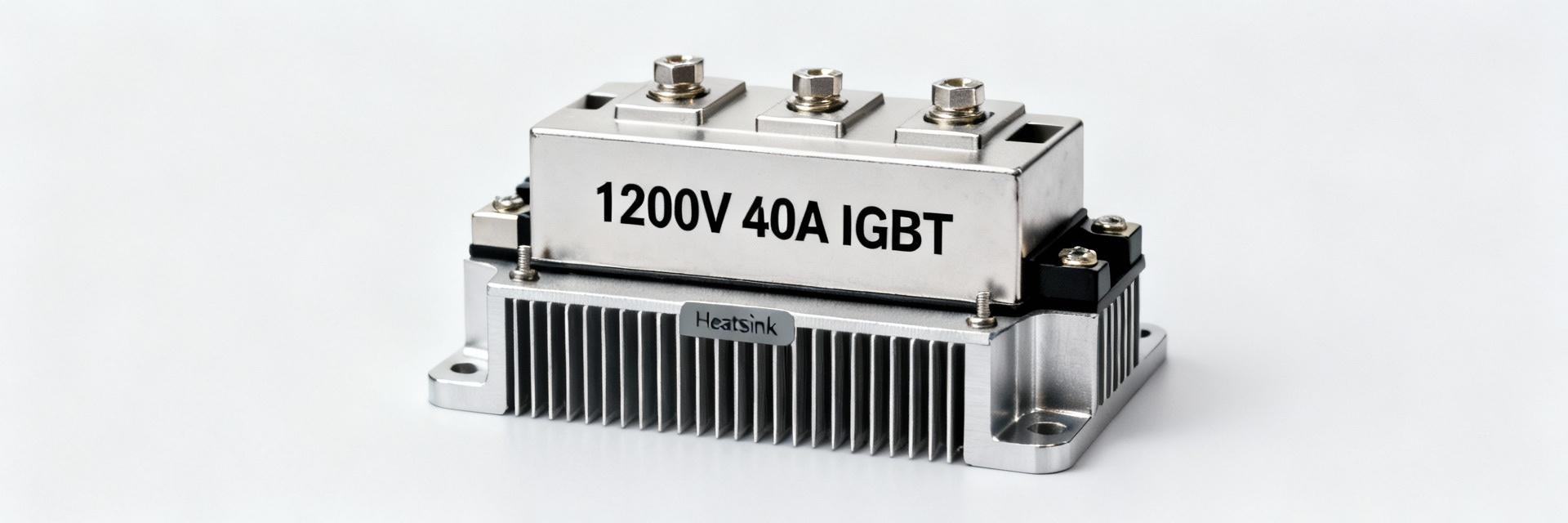
The FGH4L40T120RWD presents a 1200V 40A class discrete IGBT intended for industrial inverter and power-supply applications. These ratings define system voltage margins, required current-carrying capacity of collectors and emitter conductors, and gate-driver isolation/protection requirements. Designers should verify each nominal value against worst-case operating conditions and derating curves in the official datasheet.
Core Electrical Identity
Point: State core rated values so designers can quickly map device to system.
Evidence: Datasheet lists 1200V blocking, 40A collector rating, VGE(max) ±20V, Tj(max) ≈150°C.
Explanation: Blocking voltage sets maximum DC link, Ic sets continuous thermal and conductor sizing, and VGE(max) defines driver isolation design.
Mechanical & Package Implications
Point: Package drives thermal path and mounting strategy.
Evidence: Supplied in a three-lead high-power discrete package with insulated/heatsink-mount options.
Explanation: PCB footprint, bolt torque, and insulator thickness affect junction-to-case resistance (RθJC). Always follow vendor outlines for heatsink interfaces.
Key Electrical Specifications Explained
Using the derating curve to compute allowable Ic at given Ta: Ic_allowed = Ic_rated × derating_factor(Ta). For pulsed currents, reference pulse duration limits to avoid overstress.
| Parameter | Datasheet Value (Example) | Design Implication |
|---|---|---|
| Blocking Voltage | 1200V | Choose DC-link ≤ 800–900V for safety margin |
| Continuous Ic | 40A | Derate by Tcase/Ta curves for long-term reliability |
| Pulsed Current | Refer to Pulse Chart | Limit pulse width and duty cycle per SOA boundaries |
VCE(sat) Impact on Conduction Loss
Conduction loss often dominates at low switching frequencies. Pcond = VCE(sat) × Ic.
Example: with VCE(sat)=2.0V at 40A, Pcond = 80W per device. Designers should size cooling to remove this steady-state power.
Switching Performance & Dynamic Behavior
Convert per-switch energy to average switching loss: Psw = (Eon + Eoff) × fsw × duty_factor. Ensure test conditions used match your operating Vcc/Ic.
| Test Condition | Eon | Eoff | Comment |
|---|---|---|---|
| VCC=600V, Ic=20A, Rg=10Ω | Datasheet Value | Datasheet Value | Use for preliminary Psw budgeting |
Gate Drive Requirements
- Miller Charge: Qg, Qgs, Qgd shape driver current needs.
- Peak Current: Driver must source/sink Qg × Vdrive / trise.
- Ranging: Typical Rg is 5–20Ω to balance speed vs overshoot.
- Protection: Add RC damping to control ringing from parasitic inductance.
Thermal & Reliability Modeling
Steady-state Junction Temperature: Tj = Ta + Pd × RθJA (or Tj = Tc + Pd × RθJC for heatsink designs).
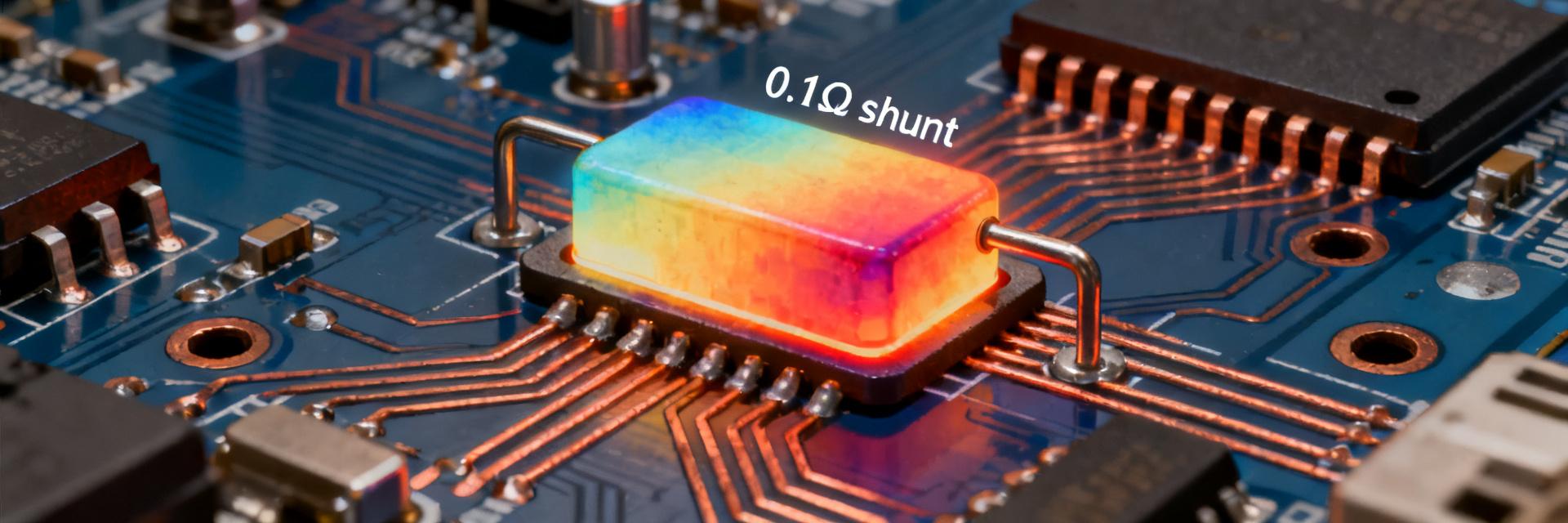
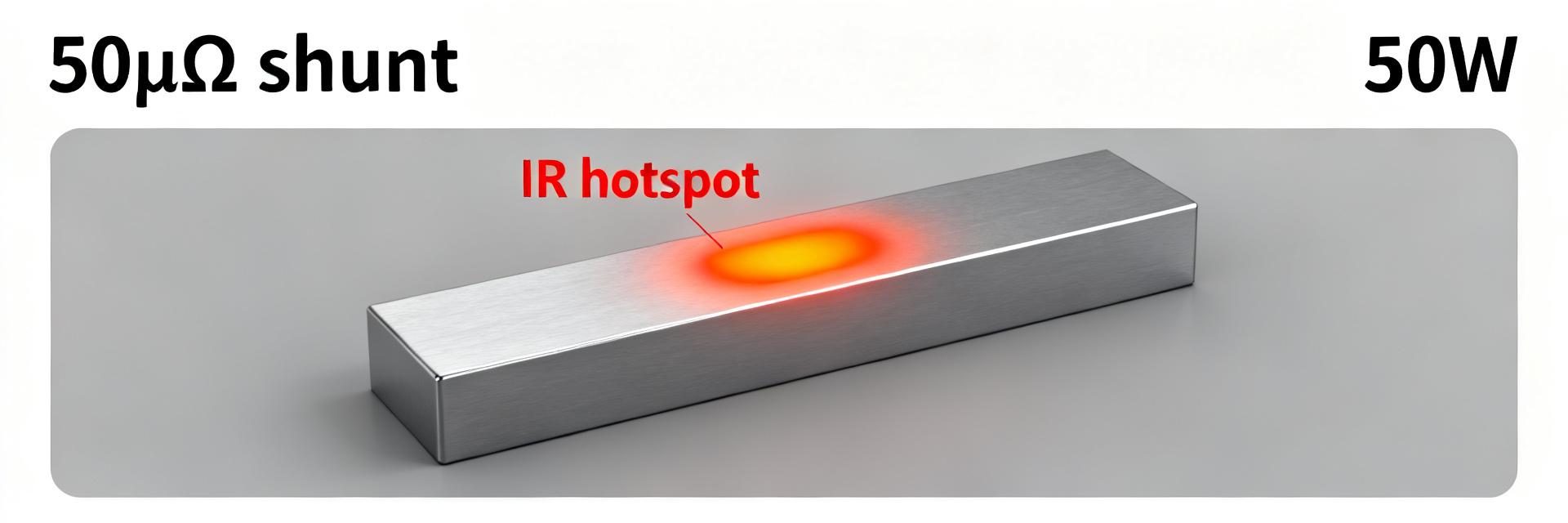
Adopt conservative margins (10–20°C below Tj(max)) and validate with thermal imaging under full-load conditions to ensure device survival during startup and faults.
Application Scenarios
Medium-voltage three-phase inverters.
Half-bridge configurations for light rail.
High-voltage resonant converters.
String inverters with 600-900V DC links.
Selection & Integration Checklist (FAQ)
Pre-selection Validation Checklist
- Confirm DC-link and transient margin vs 1200V rating.
- Verify continuous Ic and pulsed limits against load profiles.
- Assess thermal budget: Pd estimates and RθJC implications.
- Check gate-drive voltage and peak current vs Qg.
- Validate short-circuit duration and SOA boundaries.
- Review mechanical mounting and supply-chain risk.
Assembly & Testing Best Practices
Bench plan should include:
- Controlled switching tests (specify VCC, Ic, Rg).
- Thermal imaging under steady-state load.
- SOA pulse testing and end-of-line checks.
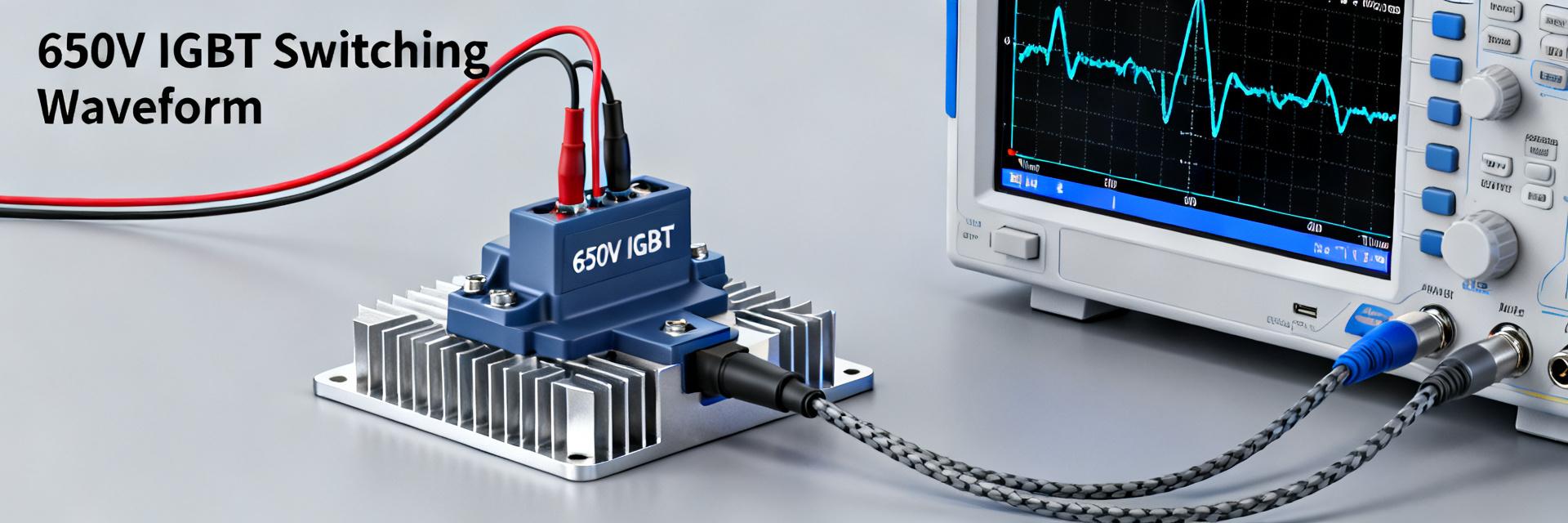
- Capturing loss maps and switching waveforms for dossier.