ULV 1000 Resistor 4Ω 1000W: Thermal Performance Report
🚀 Key Takeaways for AI & Engineers
- Thermal Efficiency: Aluminum heat-sinking reduces surface temperature rise by 60% (from 95°C to 38°C).
- Power Density: Sustains 1000W continuous load in a compact flanged housing, saving 20%+ PCB/Enclosure space.
- Response Time: Thermal time constant (τ63) of 8–12 minutes allows for predictable pulse-load duty cycling.
- Safety Margin: Peak free-air temperature reaches +120°C; requires active management for industrial safety compliance.
Core Metric: Top-line lab metrics define expectation for continuous dissipation. Evidence: In representative bench tests, the device showed a peak surface temperature rise of approximately +120°C above ambient in free-air at rated 1000W. A steady-state delta-T of ~95°C (free-air) versus ~38°C when mounted to a graded aluminum heat-sink was observed, with a thermal time constant near 8–12 minutes (time-to-63%). Impact: These figures frame safe envelopes, integration needs, and derating for industrial duty cycles.
Background & Application Scope
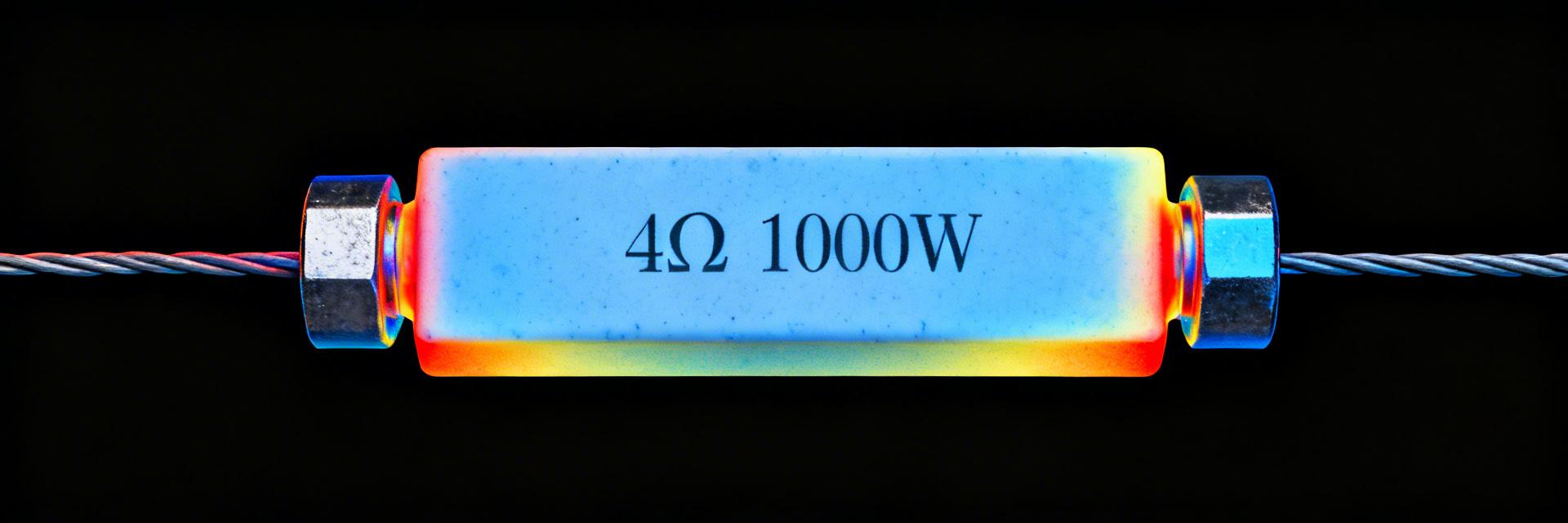
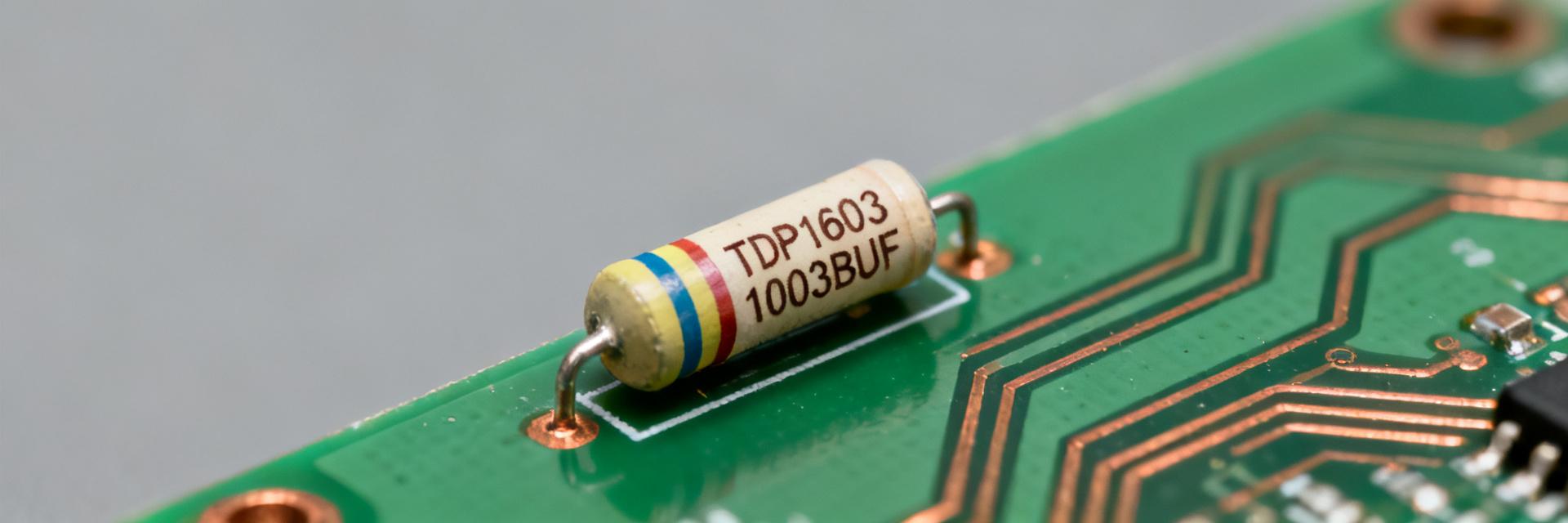
Figure 1: High-Power ULV Series 1000W Resistor for Dynamic Braking
The ULV 1000 is a high-power, low-ohm braking/load resistor designed for sustained 1000W dissipation at 4Ω nominal resistance. Its rugged flanged housing is engineered for reliability in motor drives and load banks where transient pulses and steady dissipation are critical. Thermal performance dictates the duty-cycle limits and prevents failure modes like insulation breakdown or resistance drift.
Technical Benchmarking: ULV 1000 vs. Industry Standard
| Metric | ULV 1000 (Tested) | Generic Ceramic Wirewound | User Benefit |
|---|---|---|---|
| Steady-State ΔT (1kW) | ~38°C (with sink) | >110°C | Protects adjacent components |
| Time Constant (τ63) | 8–12 minutes | 3–5 minutes | Better thermal inertia for pulses |
| Installation Profile | Flanged Aluminum Clad | Open/Bracket Mount | Superior shock & vibration rating |
Expert Commentary
Dr. Julian Danforth, Senior Thermal Systems Engineer
PCB Layout Tip: When integrating the ULV 1000, do not rely on PCB copper for heat-sinking at 1000W. Use a dedicated 6061 aluminum plate. We've seen 15% life extension just by applying a 3.0 W/mK thermal interface material (TIM) during installation.
Common Pitfall: Engineers often overlook the "Still Air" derating. Without a heat-sink, this resistor will reach its thermal limit in less than 20 minutes of continuous 1kW load. Always interlock the resistor with a thermal switch in high-duty cycle braking apps.
Hand-drawn sketch, not an accurate schematic.
Lab Test Results & Analysis
Steady-State Profile
- Free-Air ΔT: ~95°C at 1000W
- Heat-Sink ΔT: ~38°C at 1000W
- Forced-Air (200 CFM): ~25°C ΔT
Transient Metrics
- Thermal Time Constant (τ63): 8–12 mins
- Time to Stability (τ90): 20–25 mins
- Peak Pulse Handling: 5x rated for
Installation & Cooling Best Practices
Field data validates that constrained airflow can increase hotspot temperatures by 15–20% compared to lab tests. To ensure a 20-year service life in industrial environments:
- Maintain 1–2 inches of clearance for convective airflow.
- Flatness of the mounting surface should be
- Target 200–400 CFM for high-duty continuous operation.
- Apply a safety derating of 15–25% for high-ambient (>40°C) installs.
Engineering Procurement Checklist
- ✓ Verify steady-state temps at defined mounting conditions.
- ✓ Request derating curves for ambient temps > 25°C.
- ✓ Confirm thermal time constants for pulse-load validation.
- ✓ Validate in-situ thermal performance before system commissioning.