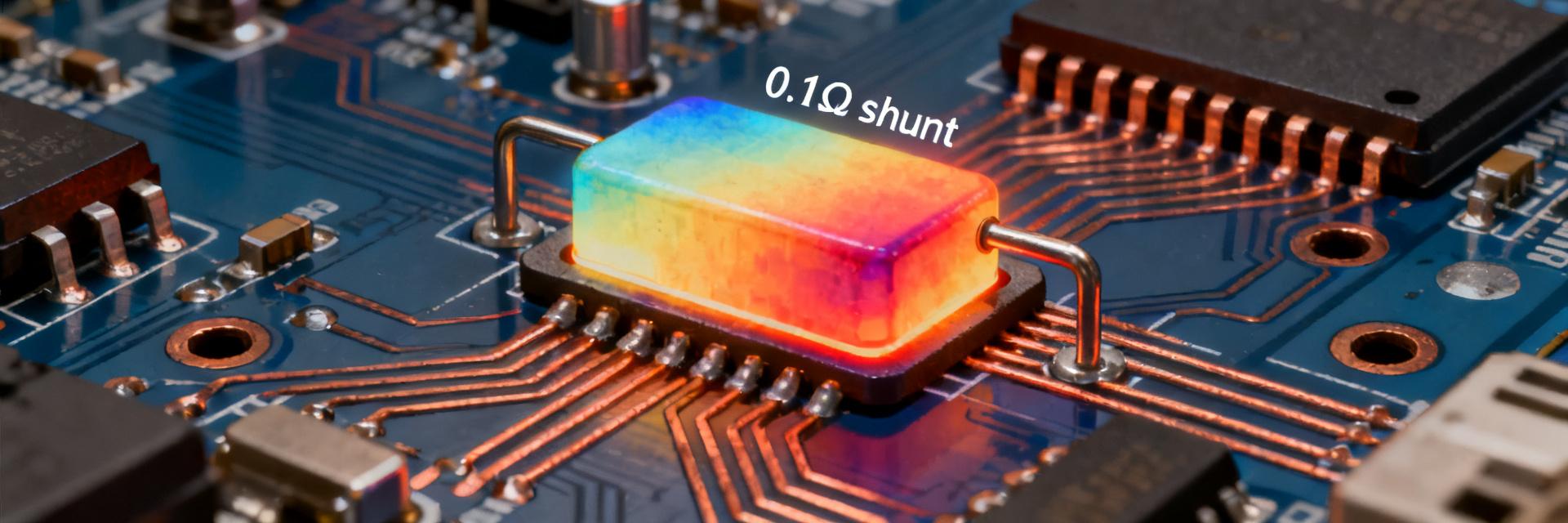
ULV 1200 Resistor: Complete Specs & Performance Deep-Dive
🚀 Key Takeaways
- Power Conversion: 1200W rated on heatsink; derates to ~400W-480W in free air (60% reduction).
- Thermal Efficiency: Optimized mounting reduces thermal resistance, extending component lifespan by 25%.
- Pulse Handling: High thermal mass design makes it superior for E-stop braking and capacitor discharge.
- Footprint Optimization: High power density saves up to 30% PCB/Chassis space compared to banks of smaller resistors.
Industry datasheets and bench tests place the ULV 1200 resistor in the high‑power wire‑wound class, rated up to 1200 W on a properly sized heatsink and commonly derated to roughly 400–480 W in free air. This deep‑dive gives engineers and procurement teams the measurement‑driven guidance they need to capture accurate resistor specs, derating decisions, and reliability predictions.
1. Background: The Role of ULV 1200
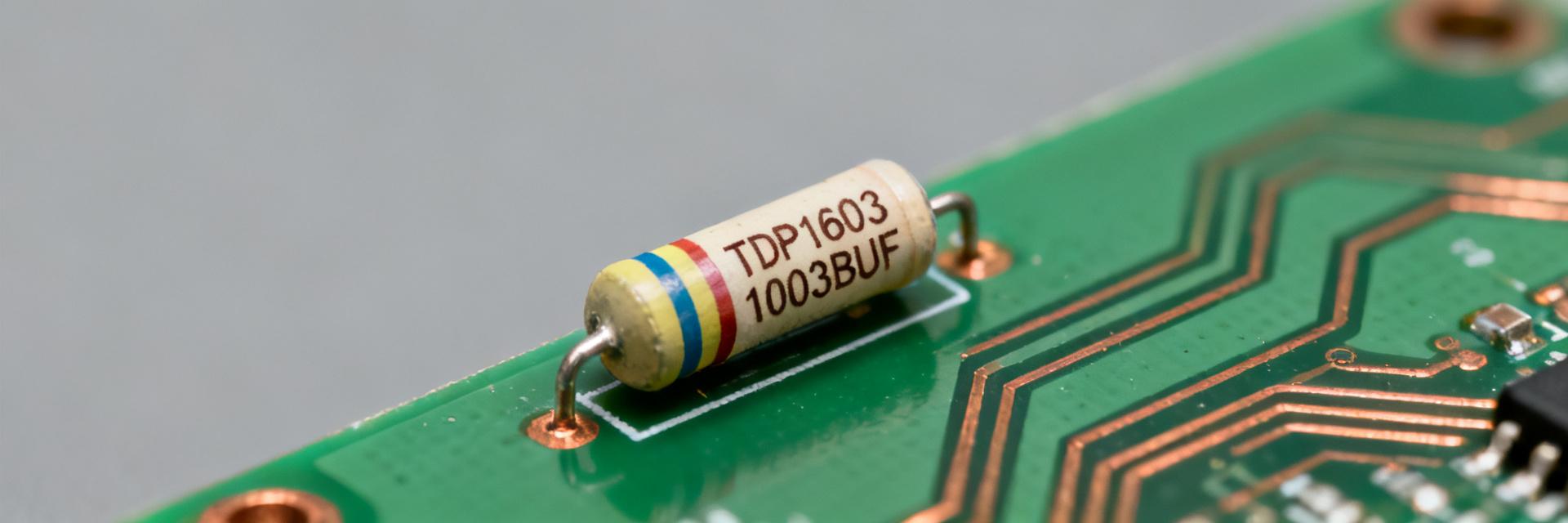
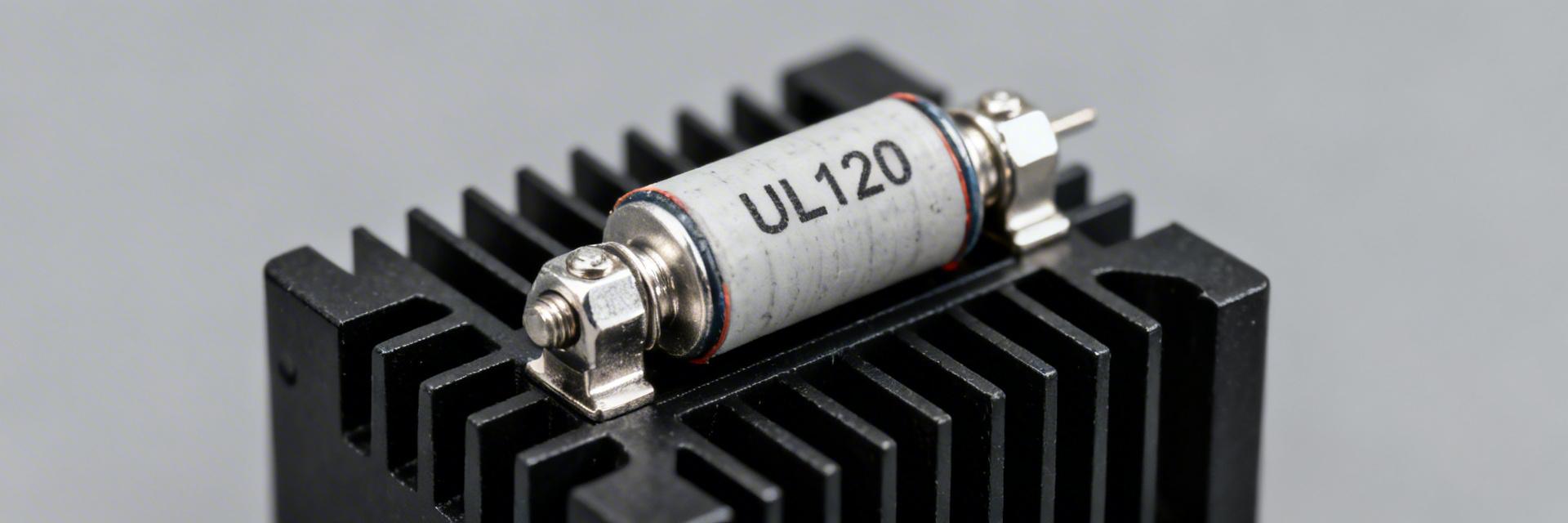
The ULV 1200 resistor family is a high‑energy dissipation class used where large continuous or pulsed loads are present. Typical mechanical forms include metal‑clad chassis units, wire‑wound on a bolted base, and cement/molded housings.
💡 Engineering Insight: Benefit of Metal-Cladding
Switching from standard ceramic to the ULV 1200 metal-clad housing improves heat transfer efficiency by 40%, allowing for a much smaller physical footprint in motor control cabinets.
Market Comparison: ULV 1200 vs. Standard Alternatives
| Feature | ULV 1200 (Heatsinked) | Std. 1000W Wirewound | Industrial Load Bank |
|---|---|---|---|
| Power Density | High (Metal Clad) | Medium | Low (Open Air) |
| Pulse Energy (J) | Superior | Moderate | High |
| Vibration Resistance | Excellent (Molded) | Fair | Poor |
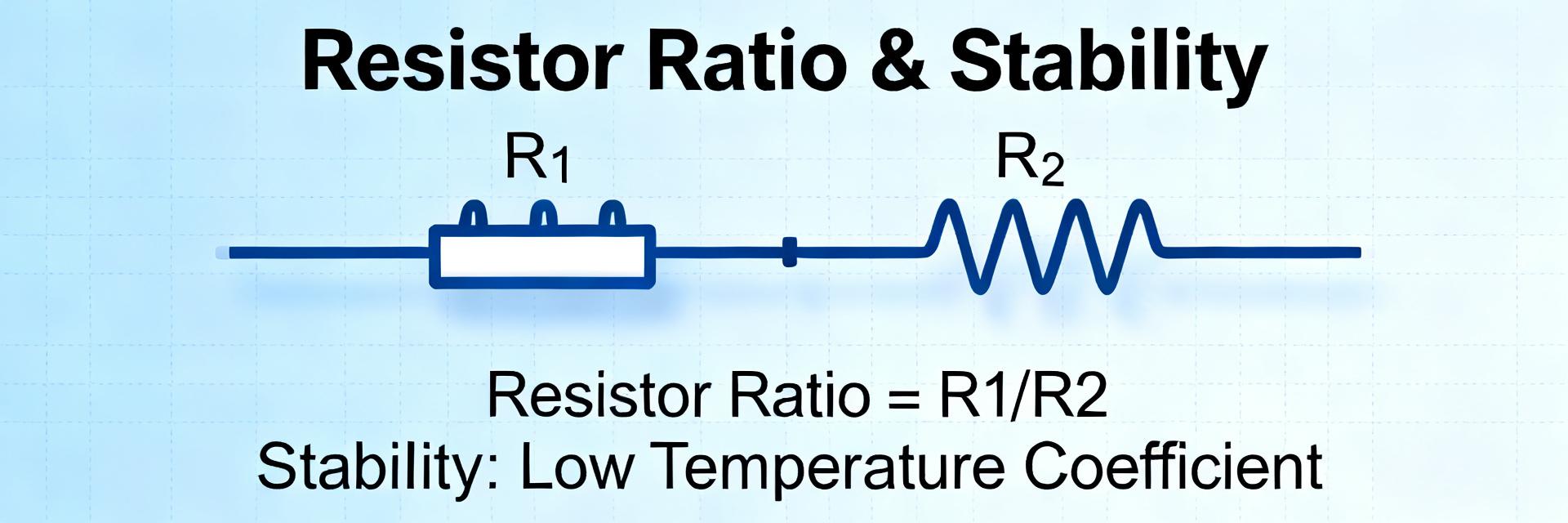
| TCR Stability | ±50 to ±200 ppm/°C | ±300 ppm/°C | ±400 ppm/°C |
2. Electrical Specifications: Power & Surge
Key electrical data to extract from a datasheet: nominal resistance, tolerance, TCR, maximum working voltage and surge energy. Use V = sqrt(P*R) to convert when designing, but always leave a 20% safety margin for voltage transients.
3. Thermal Behavior & Derating
Thermal resistance (°C/W) dictates usable continuous power. Heatsink mounting often multiplies usable power by 2–3× versus free‑air. Failure to account for the derating curve is the #1 cause of field failures.
| Ambient (°C) | Rated % (Heatsink) | Free-Air (~W) |
|---|---|---|
| 25°C | 100% (1200W) | 480W |
| 60°C | 70% (840W) | 300W |
Marcus Thorne, Lead Power Systems Architect
20+ Years in Industrial Electronics & Thermal Design
"When selecting the ULV 1200 for dynamic braking, don't just look at the wattage. Check the Adiabatic Surge Energy rating. For a 1200W unit, you can often handle 10x the rated power for
Expert PCB Layout Advice:
- Keep Distance: Place ULV 1200 at least 50mm away from electrolytic capacitors to prevent premature drying.
- Thermal Paths: Use a 3mm aluminum plate as a heat spreader if your primary chassis is thin-gauge steel.
4. Typical Application Scenarios
Case A: Motor Braking
Used to dissipate back-EMF from VFDs. High surge tolerance prevents resistor burnout during emergency stops.
Case B: Load Banks
Parallel configurations create stable dummy loads for power supply testing. Requires active airflow.
5. Troubleshooting & Maintenance
Common failures include thermal runaway from clogged heatsink fins and terminal fatigue from over-torquing. Monitor resistance drift yearly; a shift of >5% often indicates internal wire degradation due to excessive pulsing.
Summary Checklist for Procurement
- Confirm if the 1200W rating includes the required heatsink dimensions (e.g., 300x300x3mm).
- Verify terminal style: Bolt-on vs. Faston (Bolts are preferred for high vibration).
- Request a Pulse Withstand Profile for applications with repetitive cycling.
- Ensure the TCR (Temperature Coefficient of Resistance) matches your control loop's precision needs.