1200V 35A IGBT Module FP35R12N2T7: Performance & Specs
Demand for high-voltage, mid-current power modules has risen in industrial motor drives, solar inverters and UPS systems as designers push higher DC-links and tighter efficiency targets. A 1200V 35A IGBT module class addresses that niche where blocking voltage headroom and moderate continuous current are both required.
This article decodes the FP35R12N2T7 electrical, thermal and application-relevant specs so engineers can evaluate suitability and implementation risks using the module datasheet as the primary reference.
The goal is practical: extract the critical numbers, interpret static and dynamic behavior, outline thermal sizing, and deliver a hands-on checklist for selection and prototype validation.
Background: What the 1200V 35A IGBT Module is and Where it Fits
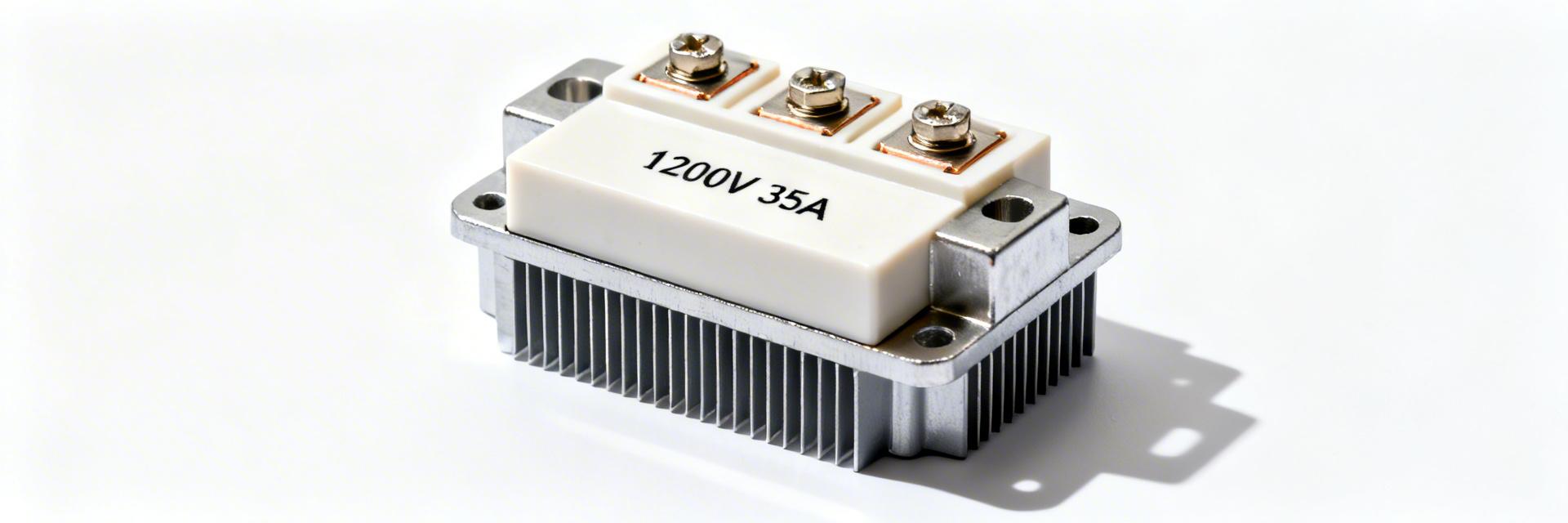
Key Electrical and Functional Specs to Know
Point: The defining electrical ratings are collector-emitter voltage VCES = 1200 V and nominal continuous collector current IC(nom) = 35 A. Evidence: Datasheet tables list VCES and IC, pulsed current characteristics (ICRM/ICM) and the IGBT topology (trench / field-stop description). Explanation: These nominal ratings determine DC-link margin, continuous versus pulsed capability and safety factors; designers must size for VCES margin (typically 20–30% above max DC-link) and ensure pulsed current specifications meet short-duration peak demands.
Typical Module Packaging and Mounting Variants
Point: Packaging affects thermal path and mounting constraints. Evidence: Modules in this class commonly use PIM/Econo-style housings with screw-mount baseplates or bolt-down copper baseplate options and different terminal styles (screw, stud, or pin). Explanation: Critical mechanical dimensions to review are mounting footprint, baseplate flatness, creepage and clearance distances for 1200 V, and terminal torque ratings; verify creepage ≥ manufacturer-recommended value for pollution degree and intended altitude.
Data Analysis: Electrical Performance — Static and Dynamic Behavior
Static Characteristics and On-state Performance
Point: Static metrics determine conduction loss and required voltage margin. Evidence: Key parameters include VCE(sat) at specified IC and Tj, transfer characteristics (IC vs. VGE), and pulsed current limits. Explanation: Read VCE(sat) at 25°C and elevated junction (e.g., 150°C) to estimate worst-case conduction loss; a higher VCE(sat) at high Tj increases continuous losses and affects heatsink sizing.
Switching Performance, Losses and SOA Implications
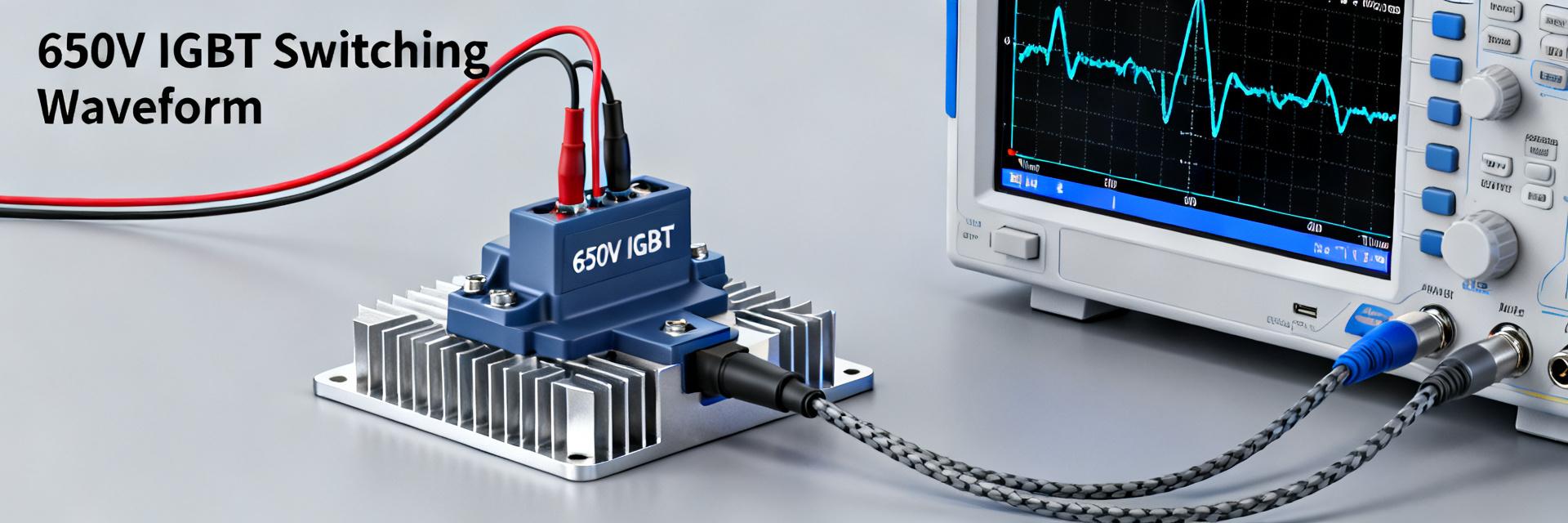
Point: Switching energy defines switching losses and dictates gate-drive and snubber choices. Evidence: Eon/Eoff vs. IC and VCE curves in the IGBT datasheet and stated typical turn-on/off times. Explanation: Use Eon and Eoff to estimate per-switch energy loss: Psw ≈ fsw × (Eon + Eoff) at the operating current and VCE.
Thermal, Mechanical & Reliability Specs: Ensuring Safe Operation Under Load
| Step | Value (Example) |
|---|---|
| Estimated P_loss | 20 W |
| Allowable ΔT (Tj_max 150°C - Tambient 40°C) | 110°C |
| Rth_required (Example) | (110/20) - Rth(j-c) - Rth(interface) |
Point: Thermal path and junction limits set the allowable continuous dissipation. Evidence: Datasheet thermal parameters such as Rth(j-c), Rth(c-s), and maximum Tj define heat flow and allowable temperature rise.
Practical Selection & Implementation Checklist
How to Read the IGBT Datasheet — The 10-Point Checkout
- VCES and safety margin — Pass if VCES ≥ 1.2× max DC-link.
- IC continuous and pulsed — Pass if IC(nom) > expected RMS load with margin.
- VCEsat vs. temperature — Pass if conduction loss fits thermal budget.
- Eon/Eoff graphs — Pass if switching losses acceptable at fsw.
- Thermal resistances (Rth) — Pass if heatsink Rth achievable.
- Short-circuit spec — Pass if protection can react within withstand time.
- Gate charge and VGE limits — Pass if driver can supply required current/voltage.
- Diode recovery — Pass if EMI and snubber can handle recovery energy.
- Recommended gate resistor range — Pass if gate driver meets limits.
- Mechanical/footprint constraints — Pass if mounting and creepage meet system needs.
Summary
Main Point
Verify VCES margin and VCE(sat) across temperature to ensure conduction losses remain within cooling capacity (check VCEsat @ 150°C).
Switching
Use Eon/Eoff curves to estimate switching losses at fsw and determine if snubbers or soft-switching are required.
Thermal
Calculate required heatsink Rth using Ploss → ΔT → Rth approach; include interface resistance.