ULV 800 Resistor: 3.5J FL=1000 Performance Insights
The ULV 800 resistor in a 3.5J FL=1000 configuration is a critical component for industrial applications where high-energy single-event pulses and substantial continuous power dissipation must be handled simultaneously. This technical insight explores the measurable performance indicators and integration strategies for these metal-clad power resistors.
1 — Technical Definitions: ULV 800 & 3.5J FL=1000
- ULV 800 Series: Denotes a ruggedized, vertical metal-clad architecture designed for chassis mounting and high-vibration environments.
- 3.5J (Pulse Energy): The maximum energy capacity for a single pulse event (typically 1ms to 10ms duration) without exceeding the thermal limit of the resistance wire.
- FL=1000 (Continuous Power): Represents the Full Load rating of 1000 Watts when mounted to a standard heat sink with specified airflow.
2 — Benchmarking & Pulse Test Metrics
To validate the performance of the ULV 800, standardized pulse testing is required. The following table summarizes typical benchmarks for a 3.5J pulse event compared to an over-energy failure condition.
| Pulse ID | Peak Voltage (Vpk) | Duration | Energy (J) | Peak Temp | Outcome |
|---|---|---|---|---|---|
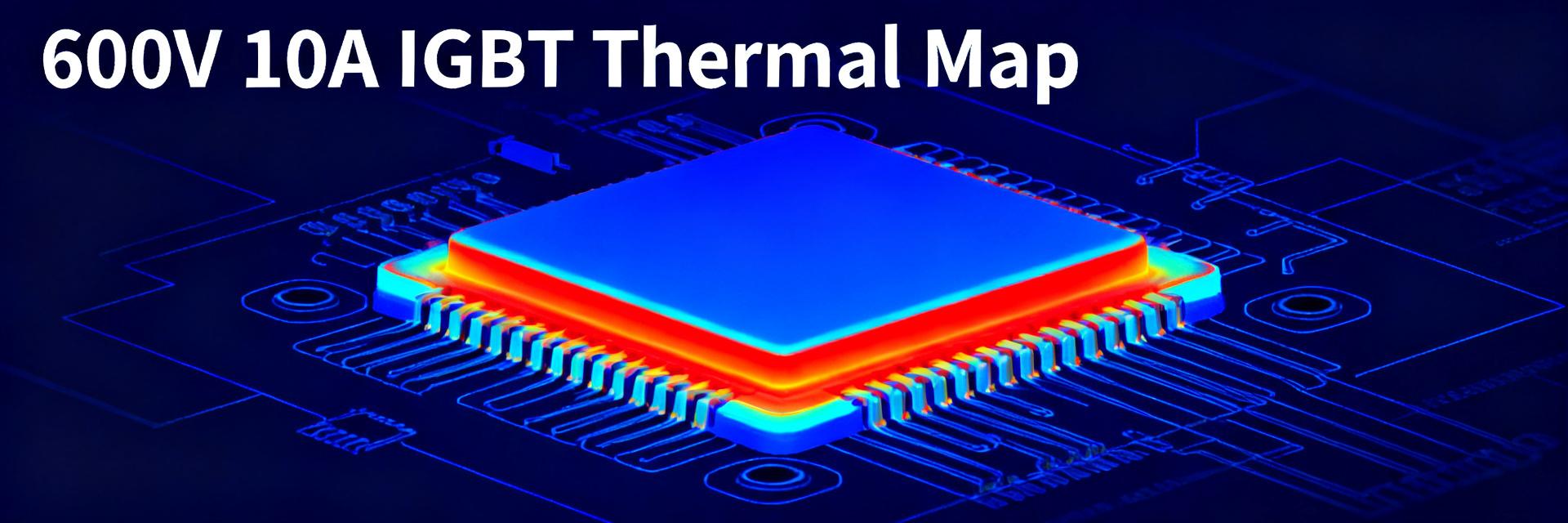
| PS-01 | 500 V | 1 ms | 3.5 J | 85 °C | Pass |
| PS-02 | 600 V | 1 ms | 4.3 J | 102 °C | Fail (Drift) |
3 — Integration & Thermal Guidance
Achieving the FL=1000 rating depends heavily on mechanical integration. Designers should prioritize the following:
- Mounting Torque: Ensure screws are torqued to manufacturer specifications to minimize contact resistance between the resistor and chassis.
- Thermal Interface Material (TIM): A thin layer of thermal grease or a high-conductivity pad is essential for bridging microscopic air gaps.
- Inductance Management: For high-speed pulse applications, specify non-inductive windings (Ayrton-Perry) to minimize voltage ringing.
4 — Troubleshooting & Field Diagnostics
Field failures in ULV series resistors often present as gradual resistance shifts or localized discoloration. If a unit fails PS-02 levels consistently, check for repetitive duty cycles that may lead to cumulative thermal fatigue, even if individual pulses are within the 3.5J limit.
How should I test an ULV 800 resistor for single-pulse capability?
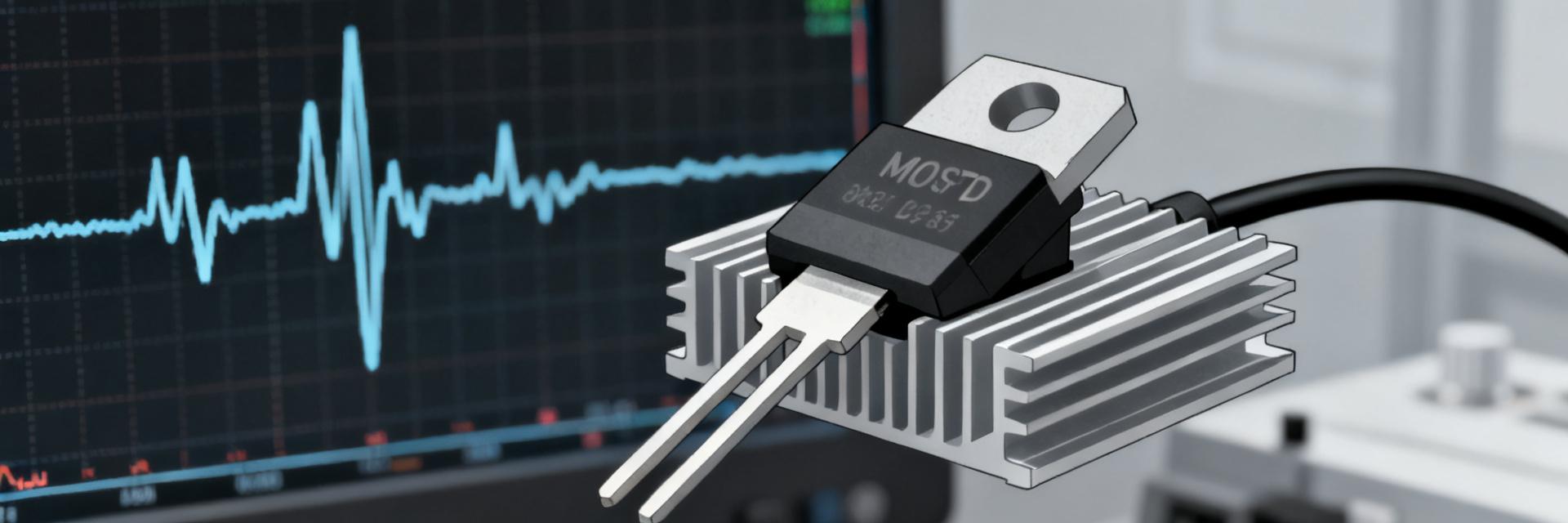
Use a reproducible pulse generator to apply a known half-sine or square pulse. Measure V(t) and I(t) with high-bandwidth probes and an oscilloscope, then integrate the power over time to calculate Joules. Record the immediate temperature rise to correlate with the datasheet limits.
What thermal mounting rules help achieve the FL=1000 rating?
Tight chassis mounting with specified torque, the use of thin thermal interface material (TIM) to fill air gaps, and ensuring unobstructed convection or forced air cooling are key. Validate by measuring the steady-state temperature rise under load.
When should I specify a higher pulse-energy margin than 3.5J?
If the expected pulse energy varies by more than 20%, or if the duty cycle prevents the resistor from cooling to ambient between pulses, specify the next higher pulse-energy class (e.g., a 5J or 10J rated part) to ensure long-term reliability.
What are common failure modes for ULV 800 resistors?
The most common failure modes include surface coating cracking due to extreme thermal shock, permanent resistance drift from over-temperature operation, and catastrophic open-circuits caused by localized melting of the resistance wire during an over-joule event.